Fashion Technology
AI Fashion Trends: How Technology Is Changing Personal Style
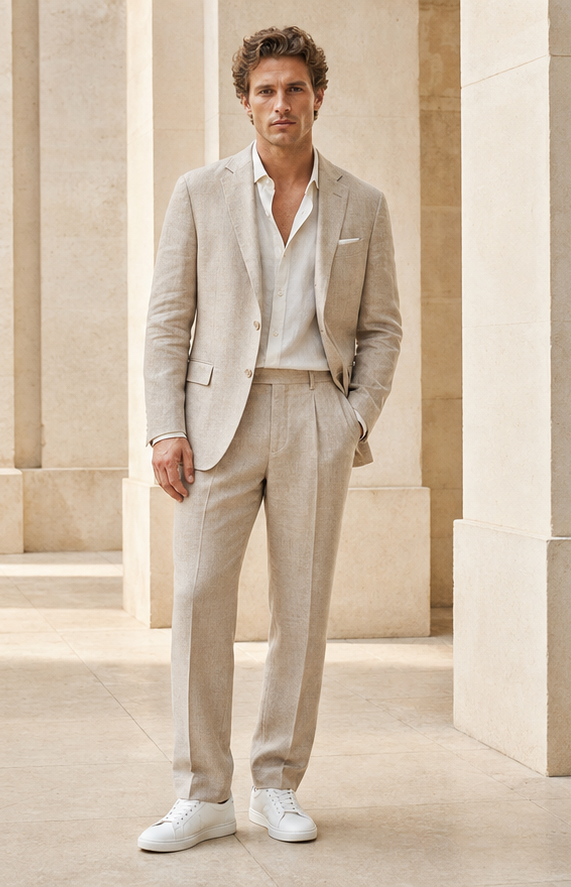
AI fashion trends are not only about predicting the next color or silhouette. They also describe a shift toward more personalized discovery, virtual experimentation, wardrobe-aware recommendations, and faster creative iteration. The most useful technology helps people interpret a trend through their own clothes and context instead of treating fashion as a single universal feed.
From trend prediction to trend translation
A trend report may identify a shape or color, but personal styling asks a more useful question: how could this idea fit your wardrobe? A new proportion might appear as a cropped jacket, a wide-leg trouser, or simply a change in how an existing layer is styled. Translation makes trends more wearable and reduces pressure to replace a closet every season.
Personalization makes trends more relevant
AI can filter broad fashion signals through your preferences, climate, budget, body comfort, and daily routine. Someone may receive a relaxed interpretation of a tailored trend, while another person chooses the same direction in a formal fabric. Relevance matters more than novelty because a trend only becomes valuable when it supports real dressing.
Use visual experimentation thoughtfully
Image generation and virtual styling can help compare silhouettes, palettes, and styling details before buying or producing anything. Treat these images as concept tools rather than guarantees of fit, fabric behavior, or availability. The strongest workflow pairs visual exploration with practical questions about construction, comfort, and wear.
Look for patterns in your own wardrobe
Your saved outfits and frequently worn colors are a personal trend signal. They show which directions already feel natural and where a small experiment could add interest. An AI stylist can help identify these patterns, but your repeated choices remain the most trustworthy evidence of what suits your life.
Balance innovation with responsibility
Technology can reduce unnecessary sampling, improve wardrobe use, and support better decisions, but it does not remove the need for responsible materials, fair production, accurate product information, or human creative judgment. Use AI to ask better questions and make more informed choices—not simply to accelerate consumption.