Fashion Technology
AI Outfit Generator: How to Create Looks That Fit Your Real Life
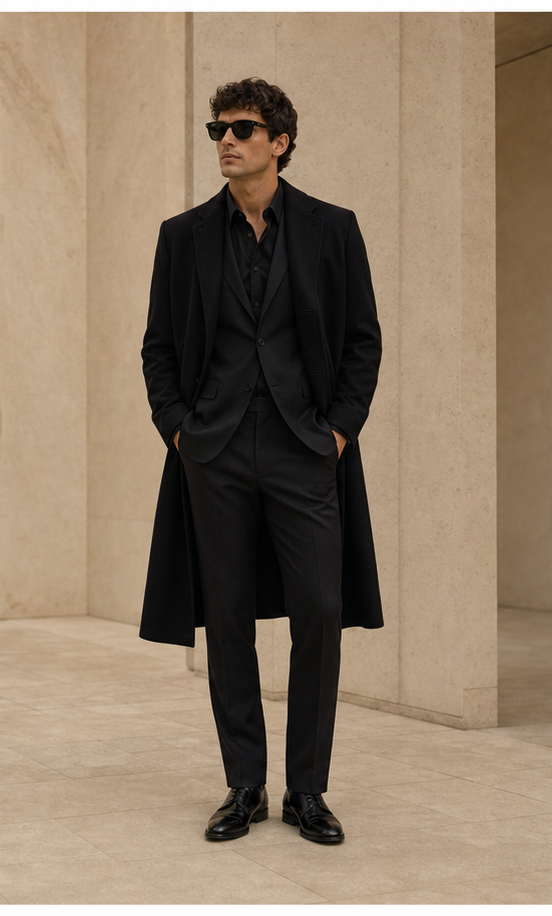
An AI outfit generator is most helpful when it turns a vague dressing problem into a clear, wearable starting point. The best result is not the most unusual combination; it is an outfit that matches your clothes, schedule, weather, comfort, and personal point of view. With the right inputs, AI can reduce decision fatigue while helping you see new possibilities in pieces you already own.
Give the generator useful context
Start with the details that change the decision: occasion, location, temperature, rain, walking distance, dress code, and the items you want to wear. Add preferences such as relaxed fit, modest coverage, breathable fabrics, or low shoes. A prompt like 'create a comfortable smart-casual look for a warm office day using my navy trousers' is more useful than a request for a random outfit because it creates clear boundaries for the recommendation.
Build from one wardrobe anchor
Choose one piece that is already certain, such as a favorite jacket, dress, pair of jeans, or sneakers. Ask for several directions around that anchor: minimal, polished, and expressive. This approach keeps the recommendations grounded in your closet and shows how many ways a strong piece can work. It also reveals which supporting garments would make the largest practical difference.
Evaluate the outfit beyond the picture
Check proportion, movement, fabric weight, temperature, and footwear before accepting a suggestion. Sit down, walk, reach, and imagine the outfit after several hours. A visually interesting look may still fail if the layers are too warm or the shoes are uncomfortable. Use AI for coordination and exploration, then use your own body and routine as the final test.
Ask for alternatives instead of more items
When the first recommendation is close but not right, change one variable. Request the same outfit with flatter shoes, less color contrast, a warmer layer, or pieces already in your closet. This creates useful iterations without turning every styling session into a shopping list. Practical alternatives make an outfit generator more sustainable and more personal.
Save the combinations that work
Keep successful outfits with labels such as rainy commute, relaxed dinner, or warm weekend. Over time, this collection becomes a personal outfit library that makes future recommendations faster. The goal is not to ask what to wear from scratch every morning; it is to create a set of reliable starting points that still leaves room for creativity.