Design Intelligence
Digital Couture and Sustainable Fashion Design: From Concept to Virtual Garment
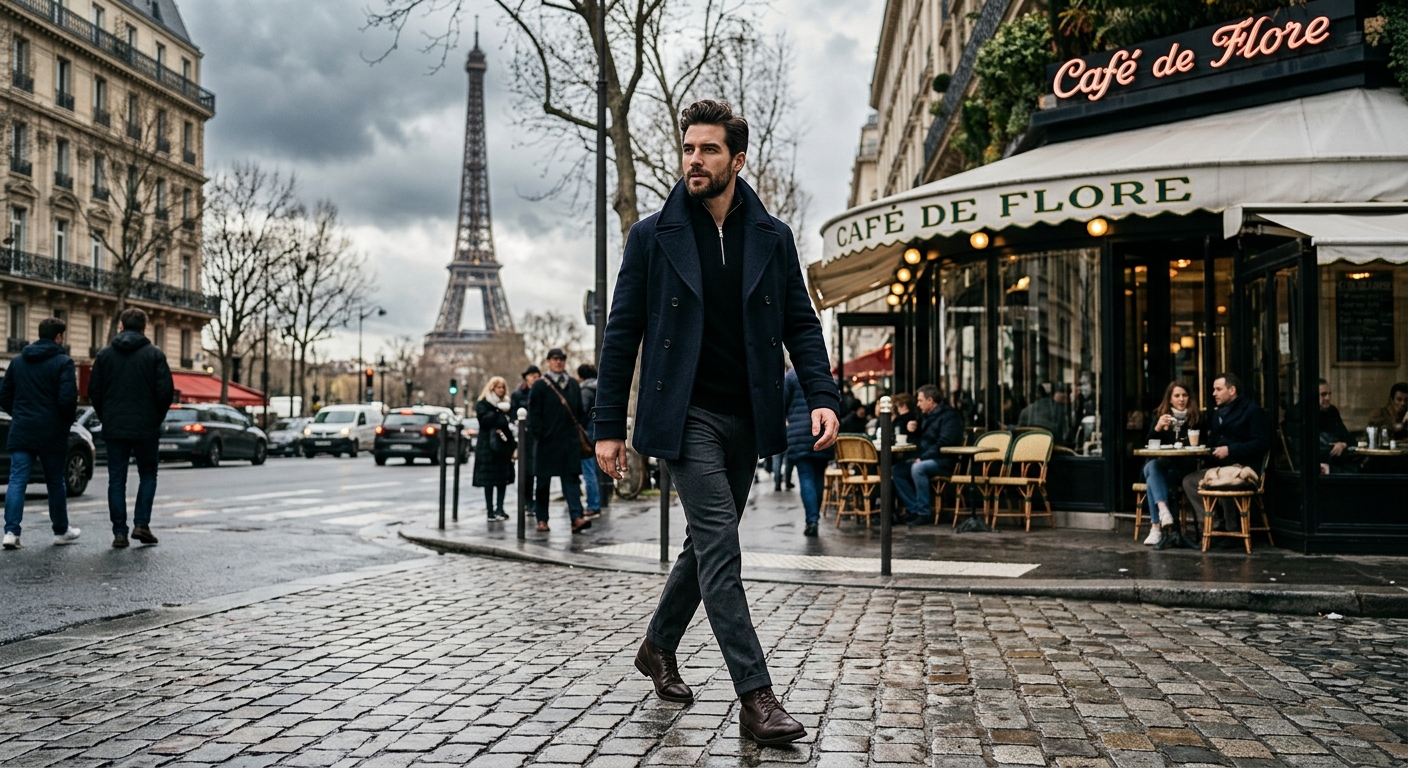
Digital couture gives designers a faster way to explore an idea before committing to fabric, labor, shipping, and physical sampling. It does not remove craft from fashion. Instead, it creates a visual workspace where silhouettes, textures, colors, and styling can be tested, compared, and communicated early. When used thoughtfully, an AI clothing designer can support creativity while reducing avoidable iterations and material waste.
Define the concept before generating images
A strong digital garment starts with a design brief rather than a collection of decorative words. Define the wearer, occasion, climate, silhouette, length, construction details, color palette, material character, and intended mood. Specify whether the garment should feel architectural, fluid, utilitarian, romantic, minimal, or experimental. Include practical constraints such as movement, layering, closures, pockets, and care. The clearer the brief, the easier it is to evaluate the output. Generative design is excellent at expanding a visual direction, but the designer still decides which details are essential and which are merely visual noise.
Iterate through silhouette and proportion
Silhouette is the first thing people read from a garment. Begin with broad shape: column, A-line, cocoon, tailored, oversized, fitted, or asymmetric. Then refine shoulder width, waist position, hem length, sleeve volume, and relationship between the garment and the body. Make one meaningful change at a time so you can understand its effect. A virtual garment makes this process faster because multiple directions can be compared without cutting several physical samples. Keep a record of the strongest version and the reason it works. That record becomes a design rationale that helps a team move from inspiration to a repeatable collection language.
Describe material behavior, not just material names
Saying 'silk' or 'denim' is only the beginning. Materials have weight, drape, stretch, opacity, surface texture, stiffness, warmth, and movement. A heavy silk behaves differently from a crisp silk; washed denim creates a different silhouette from rigid raw denim. Describe how the material should fall, hold a fold, reflect light, or react to the body. Combine materials with intention: a structured outer shell can frame a soft knit, while a matte base can make a subtle satin detail visible. This language improves digital concepts and also makes briefs more useful to pattern cutters, textile suppliers, and production partners later.
Use virtual sampling to reduce waste
Physical sampling is necessary for final fit and performance, but not every early idea needs to become a sewn prototype. Digital sampling can help eliminate weak colorways, clarify a neckline, compare sleeve shapes, and test how a capsule collection looks as a group. The greatest benefit comes when the tool is used early, before a large amount of fabric or labor has been committed. Designers should still validate the final construction, fit, durability, and sourcing with physical expertise. Digital design is not a substitute for responsible manufacturing; it is a filter that can help physical work focus on the most promising directions.
Create a coherent capsule collection
A collection feels intentional when garments share a visual grammar. Choose a small group of recurring elements—perhaps a particular shoulder line, seam direction, hardware finish, tonal palette, or relationship between fitted and relaxed pieces. Generate each garment against that system rather than treating every prompt as an isolated experiment. Include hero pieces, supporting separates, and practical basics so the collection can be styled in multiple ways. A digital lookbook makes it easier to see repetition, gaps, and unnecessary complexity. This is where an AI fashion design tool can be especially valuable: it helps a small team view many combinations while keeping the creative direction under human control.
Consider accessibility and real wear
Design innovation should include the experience of wearing and caring for a garment. Think about adjustable closures, easy dressing, seated comfort, sensory preferences, weather protection, repair, and the ability to combine the piece with existing clothes. Ask whether the design works for different heights, movements, and styling approaches. A beautiful virtual image can hide construction problems, so treat it as a conversation starter rather than proof of feasibility. Bringing pattern making, textile knowledge, and wearer feedback into the process early creates a stronger bridge between digital couture and physical clothing.
Document the path from pixel to product
Keep the prompt or design brief, selected references, rejected directions, color notes, material assumptions, and revision decisions together. This documentation protects the creative process from becoming a collection of disconnected images. It also helps collaborators understand what must remain unchanged when the concept moves into pattern development or a product page. A clear archive makes future iterations faster and supports transparent communication about what was generated, what was edited, and what was confirmed through physical testing. The best digital fashion workflow is therefore not only faster; it is more deliberate, traceable, and easier for a team to improve.