Wardrobe Planning
Digital Wardrobe Guide: Organize Your Closet for Better Outfits
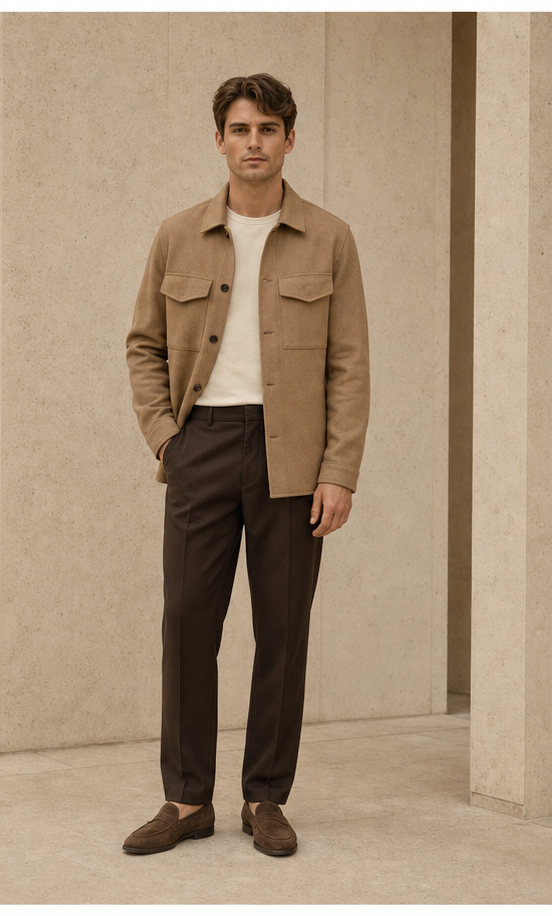
A digital wardrobe turns a crowded closet into a searchable map of what you actually own. By recording categories, colors, seasons, occasions, and outfit combinations, you can make better use of existing clothes and spot genuine gaps before buying anything new. The value is not in cataloging for its own sake; it is in making daily dressing more visible and manageable.
Start with the clothes you really wear
Do not begin by documenting every forgotten item. Start with the pieces in regular rotation: favorite tops, reliable bottoms, outerwear, shoes, and accessories. Photograph them in consistent light and use simple names that are easy to search. Once the system is useful, add occasional and seasonal pieces. A smaller accurate wardrobe is more valuable than a complete but outdated inventory.
Add tags that answer real questions
Useful tags include color, garment type, warmth, formality, season, fit, and weather suitability. You might search for warm layers for a business-casual day or comfortable shoes for rain. Avoid adding dozens of labels that you will not maintain. The best tags reflect decisions you make when getting dressed and help narrow the options quickly.
Create outfits, not just item lists
A wardrobe inventory becomes more helpful when it stores complete combinations. Save outfits with the occasion, temperature, and any notes about comfort. Record substitutions too: a blazer can replace a cardigan, or boots can replace sneakers on a wet day. Outfit-level information turns a digital closet into a practical styling tool rather than a gallery of isolated clothes.
Use the wardrobe to shop less impulsively
Before buying, check whether the new piece works with at least three existing outfits and fills a real functional gap. A digital wardrobe makes this test easier because you can see the colors, silhouettes, and layers already available. If the item only works with one imagined look, it may be an impulse rather than a useful addition.
Review the system each season
At the start of a season, move suitable pieces into active rotation and note what needs repair, cleaning, tailoring, or replacement. Review the outfits that worked and archive combinations that no longer fit your routine. A short seasonal review keeps the digital wardrobe aligned with your real life and makes future outfit planning faster.