Style Advisory
Weather-Aware Outfit Planning: How to Dress Well in Changing Conditions
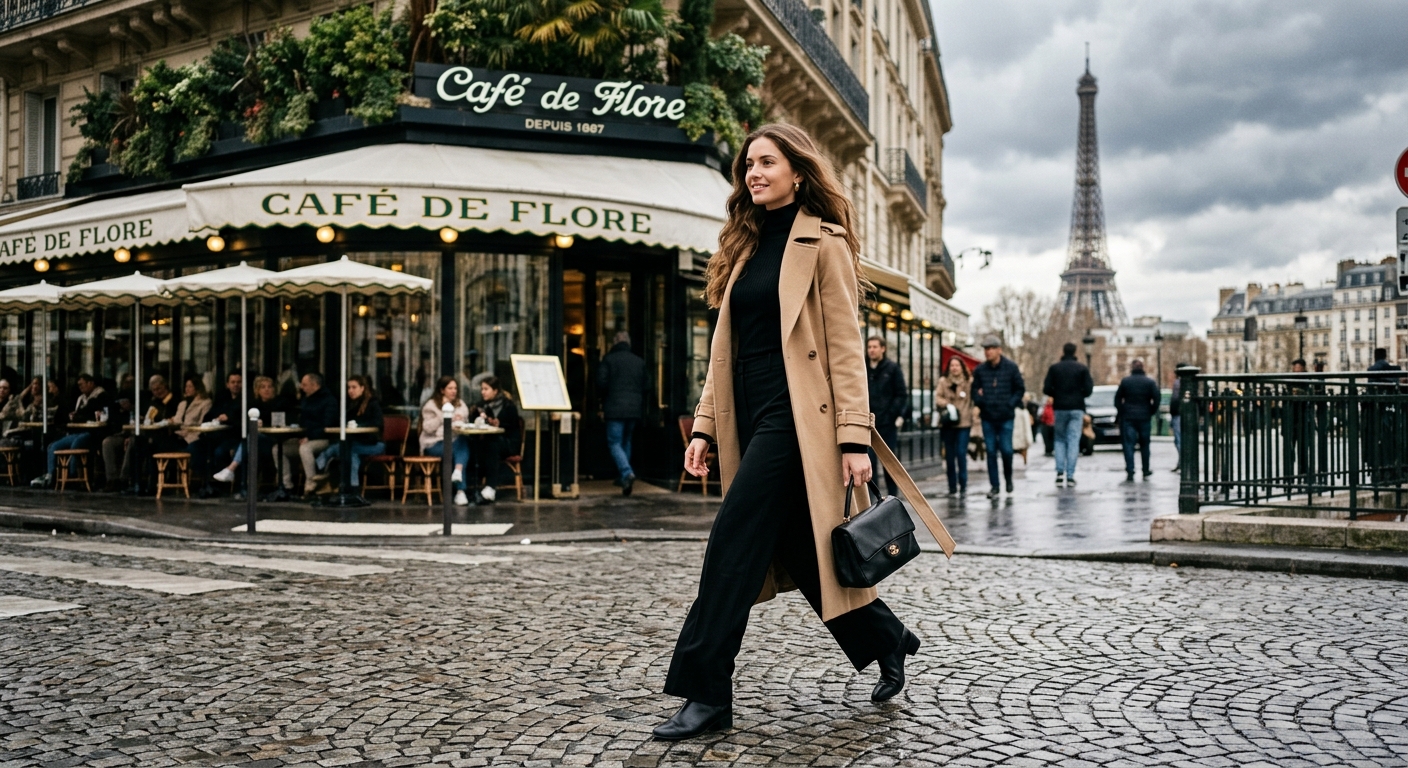
Good outfit planning starts with the day you are actually going to live through. A forecast is not a dress code, and a stylish outfit that ignores wind, humidity, rain, or a long walk quickly becomes uncomfortable. Weather-aware styling brings those details together with color, proportion, fabric, and occasion so the result feels intentional rather than improvised.
Read the forecast as a styling brief
Temperature is only the first input. A cool morning followed by a warm afternoon calls for removable layers, while high humidity changes how breathable a fabric feels against the skin. Wind can make a mild forecast feel much colder, and a small chance of rain can matter if you will be outside for hours. Start by noting the lowest and highest temperatures, precipitation, wind, humidity, and how much of the day will be spent outdoors. Then translate those conditions into clothing decisions: a light base layer for warmth, a protective outer layer for wind or rain, and shoes that remain practical on the ground you will cover. This approach makes an outfit useful before it makes it beautiful.
Use a three-layer formula
A dependable weather outfit usually has three jobs. The base layer manages comfort and should be soft, breathable, and easy to remove. The middle layer provides insulation and shape: a fine knit, cardigan, overshirt, vest, or relaxed blazer can add warmth without making the silhouette bulky. The outer layer protects the look from wind and precipitation, whether that means a trench coat, technical shell, wool coat, or compact jacket. The key is compatibility. Every layer should look good on its own, fit over the layer beneath it, and work with the same shoes and accessories. When all three pieces share a clear color story, the outfit stays polished even when the forecast changes.
Choose fabrics for comfort and structure
Fabric choice affects both the way an outfit looks and the way it performs. Cotton can feel fresh in dry warmth, merino and fine wool offer useful insulation in transitional weather, and linen works beautifully when airflow matters. For wet or windy days, a tightly woven outer layer or water-resistant shell can protect softer pieces underneath. Avoid treating performance fabrics as automatically casual: a clean technical jacket can balance a tailored trouser, a knit dress, or a refined sneaker. Likewise, a soft knit becomes more versatile when its shape is supported by structured outerwear. Think in terms of contrast—breathable with protective, soft with crisp, matte with a subtle sheen—so practical decisions also create visual interest.
Build the outfit around the occasion
Weather-aware styling should respect where you are going. For a workday, combine a breathable shirt, tailored trousers, a lightweight blazer, and a weather-ready coat. For a city walk, use comfortable shoes, a compact crossbody bag, and a removable layer that can be carried easily. A date-night outfit can stay elegant with a fine knit, dark denim or a fluid skirt, refined footwear, and a long coat that protects the silhouette. Travel calls for pieces that repeat well: neutral trousers, a versatile top, a mid-layer, and one protective jacket. The forecast changes the materials and layers, but the occasion still determines the level of polish, color contrast, and accessory detail.
Make accessories functional
Accessories are often the difference between an outfit that looks prepared and one that feels incomplete. A compact umbrella, water-resistant tote, scarf, cap, sunglasses, or lightweight gloves can solve a real weather problem while reinforcing the outfit's aesthetic. Match the finish of the accessory to the rest of the look: a structured leather bag supports tailoring, while a technical crossbody suits an active day. Shoes deserve special attention because they receive the most direct contact with wet pavement, heat, dust, and long distances. Choose the most practical pair that still matches the formality of the outfit, then use color, texture, or jewelry to bring the look together.
Plan for transitions instead of perfect conditions
The most useful outfit is rarely designed for one temperature at one moment. Offices, trains, restaurants, and cars may be warmer or cooler than the street. A removable jacket, a scarf that can be folded into a bag, or a base layer that works without the coat gives you control throughout the day. This is also where wardrobe planning becomes more sustainable. Instead of buying a new outfit for every forecast, identify a small collection of reliable layers and learn the combinations they create. A weather-aware AI outfit generator can help you test those combinations around your city, schedule, and existing wardrobe, but the underlying principle remains simple: flexibility creates more wear from the clothes you already own.
A simple checklist before leaving home
Before you leave, ask five questions. Will I be indoors or outdoors most of the day? Do I need protection from rain or wind? Can I remove one layer if I get warm? Are my shoes appropriate for the distance and surface? Does the outfit still communicate the style I want? If the answer to all five is yes, the look is likely to feel both comfortable and considered. Save combinations that work so future mornings become faster. Over time, those notes form a personal style system: favorite base layers, reliable coats, colors that combine easily, and outfit formulas for recurring conditions. That system is more valuable than chasing a new trend every time the weather changes.